
What we plan for you (and what we don’t)
We plan a calving season safari in Tanzania as a private, end-to-end itinerary, built around your pace, your privacy, and the kind of sightings you actually want to spend time on.
No pre-made routes. No copy-paste lodge list. One point of contact, one plan that holds together.
That sounds simple. It isn’t. Calving season is one of those windows where the Serengeti can feel generous one hour and stubborn the next, and the difference between a calm honeymoon day and a day that feels like a scramble is usually the planning you did before you landed.
You’ll handle the flights. We’ll support the flight search if you want, but flight booking stays with you.
What we do handle is everything that tends to unravel once you’re on the ground, the order of drives, how long you stay out, where you reset, and how you keep the trip feeling private even when the park is busy.
And yes, we’ll be honest about tradeoffs. Calving season can bring more vehicles to the best sightings, especially when a big cat is on a kill. That’s real life in the Serengeti, and we plan your days to keep it feeling controlled.
If you tell us you want long, quiet drives where you’re not chasing radio chatter, we’ll build for that. If you tell us you want to maximize predator time and you don’t mind the intensity, we’ll build for that too. But we won’t pretend you can have every version of the Serengeti in one day.
How Baloni Bespoke Travel plans bespoke trips
Calving season wildlife viewing tips we build into your itinerary
You don’t need a generic checklist. You need decisions made in advance, so you’re not negotiating your day from the back seat of a vehicle.
Our calving season wildlife viewing tips start with timing. Early light matters. So does patience at a sighting, when an animal is actually doing something, not just standing there.
We build your days around the reality that the best moments often happen before breakfast. You’ll be up early. You’ll feel the chill in the air, then the sun will climb and the dust will start to hang over the track, and that first hour is when you get the cleanest light and the most purposeful movement.
But we’re not planning a boot camp. We plan the rhythm. A strong morning drive, then a real reset, not a rushed sandwich and straight back out because “you should.”
We also plan around the emotional rhythm of a honeymoon. You’ll want privacy, quiet meals, and a little space between intense moments. A close elephant encounter by the roadside is thrilling. It’s also a lot.
And we plan for the small things that change how a day feels, where you’ll stop for a quick lunch, how long you’ll sit at a sighting, and when it’s smarter to move on before the crowd builds.
Expect calves. Expect predators. Expect long stretches of scanning the plains, then sudden, breath-held minutes where everything happens at once.

Serengeti wildlife viewing during calving season, what you’ll actually see
The Serengeti can feel endless, and that’s the point. During wildebeest calving season, the plains shift into a living nursery, and the whole food chain tightens up.
Elephants are often the surprise. A herd feeding right by the roadside, babies wobbling along, dust hanging in the air. It’s intimate, not staged.
Sometimes it gets tense fast. A big bull can arrive in a mood, barging into a female and throwing his weight around, and you’ll feel the whole vehicle go quiet for a second because you can hear breathing, footfalls, the scrape of tusk against brush.
Big cats are the headline, and the Serengeti delivers. We’ve watched a female cheetah disappear into long grass, then use a termite mound as her lookout (if I’m being picky, that moment is better than any “classic” photo you’ve seen online).
That termite mound detail matters because it changes how you watch. You stop looking for the animal in the obvious place. You start reading the terrain, the slight rise, the patch of yellow stalks, the acacia line in the distance.
Leopards are the hardest. When you get one, it feels like luck, even with great guiding.
And when you do get one, it might not be the dramatic version you pictured. Leopards are often inactive during the day, resting in the safety of a tree. Honestly, that can be perfect on honeymoon, you’re close, it’s quiet, and you’re not in a knot of vehicles trying to out-angle each other.
And yes, lions. Sometimes you’ll see them doing what lions do best, absolutely nothing. Sometimes you’ll see a pair in mating behavior, intense and repetitive, and your guide will quietly steer the vehicle back to give them space.
If you’re lucky, you’ll catch something odd, like lions in the lower branches of an acacia tree. It’s rare behavior and it doesn’t happen on command, which is exactly why it sticks in your head.

Serengeti calving season tips for privacy, pacing, and comfort
A honeymoon safari shouldn’t feel like a race.
We plan your Serengeti calving season tips around the day’s energy curve. Mornings are for tracking and light. Midday is for a slower reset. Late afternoon can be magic, but only if you’re not wiped out.
That midday reset is where a lot of “luxury” safaris quietly fail. You don’t need more activities. You need a calm hour, a shower that actually has hot water, a meal you can eat slowly, and the sense that you’re not being pushed back into the vehicle because the schedule says so.
Privacy is practical, not performative. We keep your daily schedule clean, reduce pointless transfers, and focus on the moments that matter to you.
We also plan for the fact that you’re a couple, not a group tour. You’ll want time to talk about what you just saw without someone else narrating over you. You’ll want dinners that don’t feel like a social obligation. You’ll want to sit with the quiet.
One more honest note. The Serengeti is wild. You’ll have dust. You’ll have early starts. If you want a trip where every hair stays perfect, this probably isn’t it.
And if you’re being picky about comfort, tell us. We’d rather plan around it than have you grit your teeth through a long drive you didn’t need.
Wildlife photography tips Serengeti, without turning your trip into a workshop
Great photos come from planning, not gear flex.
Our wildlife photography tips Serengeti start with vehicle positioning and patience. A cheetah hunting is better than a cheetah posing. A leopard resting in a tree can be a gift, even if it’s “inactive.”
We plan for the light you’ll actually have. Sunrise drives. Soft afternoon light. And enough time at sightings that you’re not shooting in a panic.
There’s also a simple truth about safari photography that people don’t say out loud. The best frames often come after you’ve already taken the obvious shot, when you’ve waited long enough for the animal to do one small, real thing, a yawn, a stretch, a glance toward the wind.
If you want to travel light, we’ll plan around that too. You don’t need to turn the vehicle into a camera bag. You need a guide who understands angles, distance, and when to stop moving.
Also, you’re on honeymoon. Put the camera down sometimes. The best memory might be the one you don’t post.
How to plan for calving season safari days that don’t feel crowded
A calving season safari can attract attention. When there’s a commotion of vehicles, it usually means something real is happening.
We reduce friction by planning the structure of your days, not just the map. That includes the order of drives, the length of time you stay at a sighting, and how you reset between high-intensity moments.
Sometimes the best move is to arrive early and wait. Sometimes it’s to leave a “good” sighting because you can feel the crowd building and you’d rather have a quieter hour elsewhere. That’s a judgment call, and it’s exactly why you want a plan that’s thought through before you’re out there.
You’ll also get guidance on tips for seeing wildlife during calving season that are about behavior, not buzzwords, when to wait, when to move, and when to accept that the animal wins today.
And yes, you’ll have quiet drives too. Not every hour is a highlight reel. That’s part of the Serengeti’s honesty, and I think it’s part of what makes the big moments hit harder.
See how we plan tailored safaris in Africa
What to expect during Serengeti calving season, the real version
Here’s the truth. Some drives are quiet. You’ll cover ground. You’ll scan.
And you’ll feel it in your body. Twelve hours out on a long day is possible in the Serengeti, but it’s a lot, and on honeymoon it’s not always the smart choice, even if the sightings are good.
Then the Serengeti flips. A rare antelope darts for cover and you realize why. A predator appears like it’s been there the whole time.
You might see a cheetah on a kill. You might see lions mating. You might get elephants so close you can hear them breathing.
You might also see the smaller details that end up being your favorites, a leopard tortoise by the roadside, a family of giraffes crossing right in front of you, or a hippo pool so full it looks like the water is moving.
Lightning can flash in the distance and your guide will call it, time to head back. You’ll be back at camp around dinner, dusty, hungry, and a little wired.
And you might miss something you wanted. That’s not failure. That’s the contract with the wild.
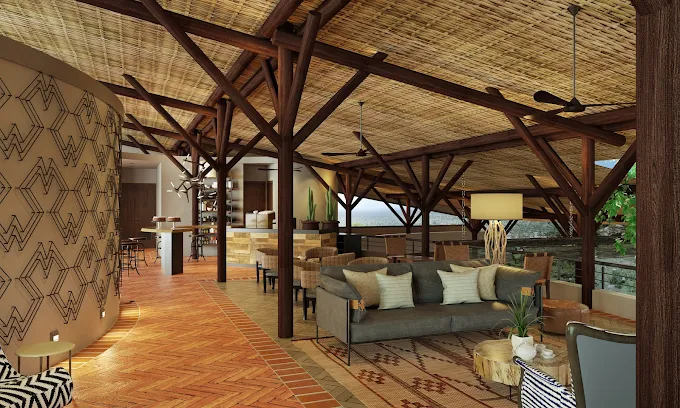
Top activities during calving season in Serengeti, planned around your honeymoon
We prioritize activities that stay close to the core reason you’re here, Serengeti wildlife viewing at its most concentrated.
That usually means long game drives with a guide who can read the radio chatter without chasing every rumor, and who knows when to sit still.
We plan your days so you can do a proper morning drive, then come back for a slower middle, then decide what you want for the afternoon based on how you feel, not based on a rigid schedule that treats you like you’re on a checklist tour.
We also build in calm. Unrushed meals. A slower middle of the day. Time to process what you’ve just seen.
If you want one “big” day, we’ll do it. If you want two shorter drives and more time at camp, we’ll do that instead. This might just be personal preference, but I’d rather you come home remembering the quiet between sightings, not just the adrenaline.
Your “activity list” doesn’t need to be long. It needs to be right.
Best time for calving season, and how we handle timing decisions
The best time for calving season depends on what you want to weight more heavily, newborns, predator action, or overall pace.
We’ll talk through your priorities, then shape the trip around them. That’s the whole point of bespoke planning.
Timing decisions aren’t only about wildlife. They’re also about how you want your days to feel. Do you want early starts every day, or do you want a couple of slower mornings built in? Do you want to push for maximum time on the plains, or do you want more time to read, nap, and have a long lunch without watching the clock?
If you tell us you want fewer moving parts, we’ll simplify. If you tell us you want maximum time on the plains, we’ll push the itinerary that way too.
And we’ll be direct about what timing can’t guarantee. You can stack the odds. You can’t script the Serengeti.
Decision details
What you’ll get from us is clarity, a coherent plan, and one accountable point of contact. The rest is the Serengeti doing what it does.
That point of contact matters most when something changes. Weather shifts. A drive runs long. You decide you want a slower day tomorrow. You shouldn’t have to manage that alone, especially on honeymoon.
We’ll also tell you when to stop chasing. If you’ve already had a strong morning and you’re tired, we’ll say it. The Serengeti will still be there in the afternoon, and you’ll enjoy it more if you’re not running on fumes.
And if you want Zanzibar after safari, we can plan that as a clean second chapter. Quiet beach, slower mornings, no dust in your hair.
It’s a different kind of calm. The kind where you stop waking up at dawn because you have to, and start waking up when you feel like it.
Proof from travelers
What guests are saying
“They know what travel means! My wife was pregnant at our India trip and we told them and they made sure all arrangements were possible for her. We had a fantastic driver! Very sweet guy and helpful. Our guides also respected the pregnancy and were very accommodating. We will book again!”
— Ben Schwager · Google · ★ 5.0
Objections and edge cases
Frequently Asked Questions
How to plan for calving season safari for a private honeymoon in Tanzania?
A private calving season safari is planned around your pace, privacy, and the sightings you want to linger on. You handle the flights, while the itinerary, timing, and daily structure are built end to end for a honeymoon.
We’ll also talk about what “private” means to you. For some couples it’s a private vehicle and a clean schedule. For others it’s choosing camps and drive patterns that reduce the odds of being in a vehicle cluster at the same sighting.
What to expect during Serengeti calving season on safari?
During Serengeti calving season, expect calves, predators, long stretches of scanning, and sudden moments when everything happens at once. You may see elephants close to the road, big cats on the move, and quiet scenes that feel completely unscripted.
Expect dust and early starts too. If you’re being picky about comfort, plan for it upfront, not after day one.
What Serengeti calving season tips help keep a honeymoon safari private and comfortable?
The best Serengeti calving season tips focus on timing, pacing, and reducing unnecessary transfers. Mornings are used for tracking and light, midday for a slower reset, and late afternoon for strong sightings without making the day feel rushed.
We also keep the plan realistic. A honeymoon isn’t the moment to prove you can do dawn-to-dinner drives every day.
What are the top activities during calving season in Serengeti for couples?
The top activities during calving season in Serengeti are long game drives, calm breaks between sightings, and unhurried meals built into the day. That keeps the focus on Serengeti wildlife viewing without turning the trip into a crowded, overpacked schedule.
If you want Zanzibar after, we treat it as a second chapter, not an afterthought.
What are the best calving season wildlife viewing tips for seeing wildlife without feeling crowded?
The best calving season wildlife viewing tips are to plan the order of drives, stay patient at active sightings, and know when to wait or move on. Crowds usually mean something real is happening, so the key is managing the day well.
And sometimes the best crowd-avoidance move is to accept a quieter hour elsewhere. Your mileage may vary, but I’d rather have one clean, private elephant moment than ten minutes boxed in around a distant cat.
When is the best time for calving season, and how does it affect Serengeti wildlife viewing?
The best time for calving season depends on whether you want newborns, predator action, or a slower overall pace. That timing choice shapes the whole calving season safari, including how much time you spend on the plains and how intense each day feels.
We’ll help you choose the version that fits your honeymoon, not someone else’s highlight reel.
Plan your Tanzania calving season safari now
We’ll build your itinerary around the sightings you care about, using calving season wildlife viewing tips that are practical in the field, not copied from a blog.
That means you’ll know what your days look like before you land, when you’ll be up, when you’ll rest, and where we’ve left space for the Serengeti to surprise you.
You’ll know what to expect during Serengeti calving season before you land. You’ll also know what we can’t control.
Send your trip request to Baloni Bespoke Travel
Author bio
This piece was written by the Baloni Bespoke Travel team. We plan private, end-to-end safaris in Tanzania with one point of contact, and we stay involved when plans shift on the ground, not just when the itinerary looks good on paper.
If you’re planning a honeymoon, tell us what you care about most, privacy, pacing, or predator time, and we’ll shape the route around that (and we’ll also tell you where the tradeoffs are).
Last updated at: October 24, 2026
 Powered by TypeHero