
At a Glance
Top couple-friendly picks: Serengeti for big wildlife, Ngorongoro for fast sightings, Zanzibar for beach downtime.
Best timing: dry season (June–October); migration peaks in July–August; calving is January–February; avoid March–May rains.
Keep days simple: two drives daily, with relaxed midday time for rest and romance.
Private guides/vehicles add flexibility; know what packages include, and pack layers plus neutral colors.
The first morning in the Serengeti, you’ll hear it before you see it. A low rumble from somewhere beyond the acacia line, the scrape of hooves, then silence so complete your own breathing sounds loud. Planning a romantic safari trip starts not with logistics but with understanding what kind of silence you want to share. And that depends on where you go, when you travel, how your days unfold, and who’s handling the details you’d rather not think about.
Most couples arrive at safari planning overwhelmed. Too many parks, too many lodges, too many conflicting recommendations. The reality is simpler than it looks, once you know which decisions actually matter. This guide covers the choices that shape a safari for two, from romantic safari destinations and timing to private safari experiences, packing, and the practical details that separate a good trip from one you’ll talk about for decades.
What guests are saying
“BBT helped us book a break in Cambodia. The whole process was efficient, professional and easy. Simple discussion on our needs were held and the rest was taken care of. Thank you.”
— Navin Nayak · Google · ★ 5.0
“My wife and I booked a trip to India through BBT. We visited Jaipur and Delhi, among other places. Everything went wonderfully, and our requests were met to our complete satisfaction. We got to know the country and its people and received a warm welcome everywhere we went. I even dared to drive in Delhi’s city traffic—or rather, I got to drive Mr. Baloni’s car ;)”
— Jan Szameitat · Google · ★ 5.0
Romantic Safari Destinations That Reward Couples
Not every park suits every couple. Some are vast and vehicle-heavy. Others feel intimate enough that you might go hours without seeing another car. The difference matters when you’re traveling with someone you actually want to talk to.
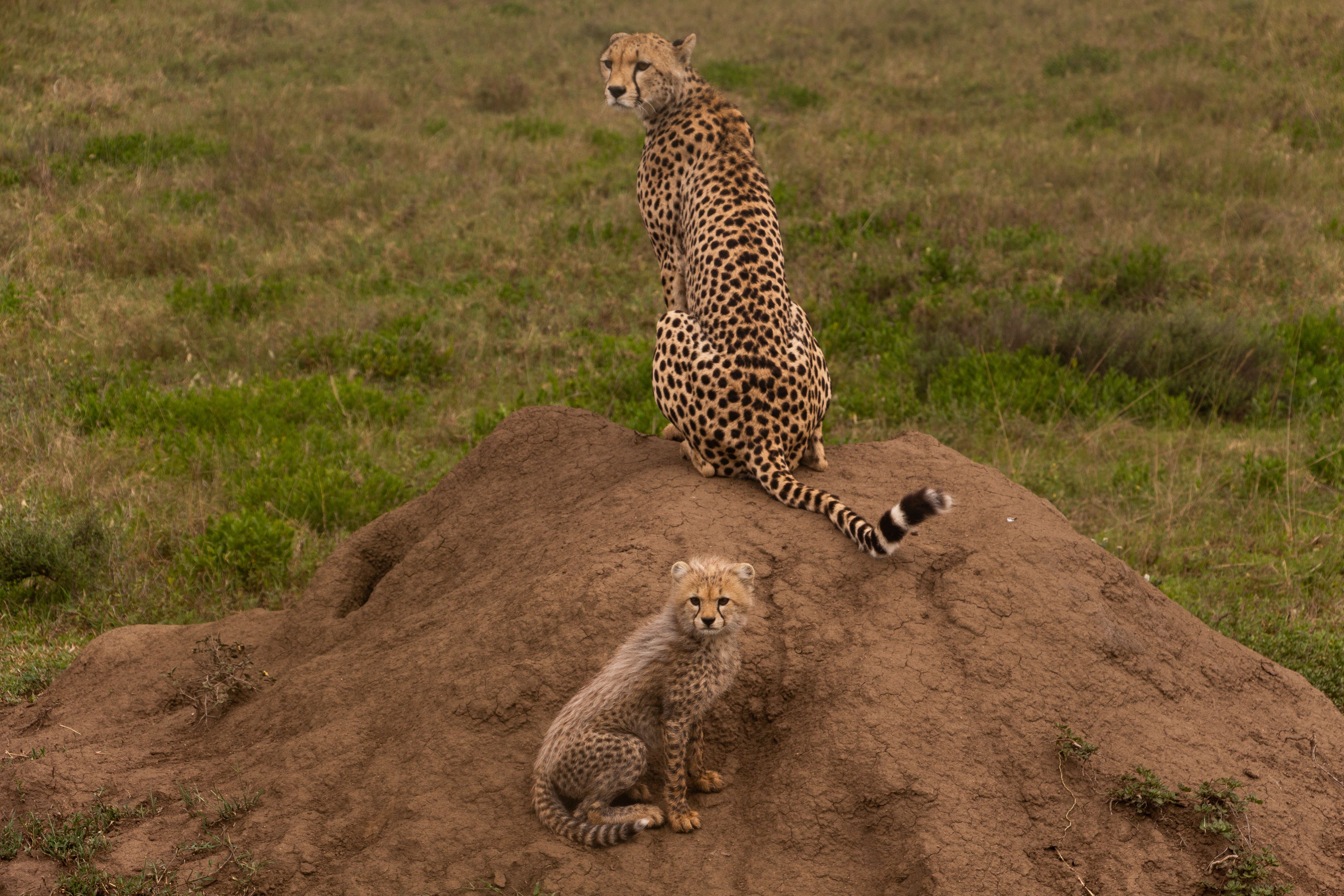
Tanzania’s Serengeti remains one of the strongest romantic safari destinations for first-timers. The northern Serengeti, particularly around the Mara River, delivers predator sightings that feel almost theatrical. Lion coalitions of three brothers grooming each other in the late light. A female cheetah calling to her cubs from a termite mound, her coat dissolving into the yellow grass. These aren’t rare events here. They’re Tuesday.
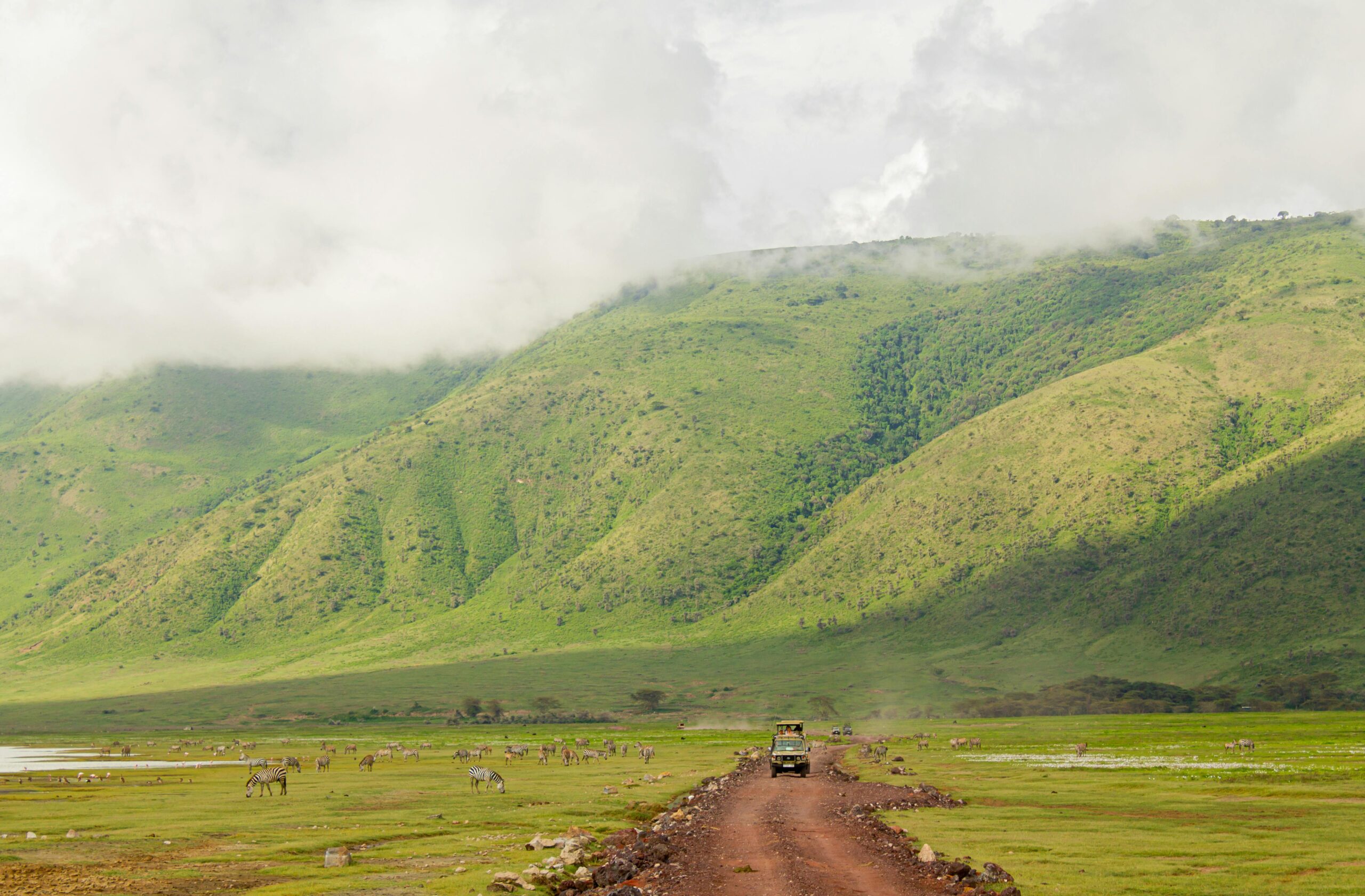
The Ngorongoro Crater, roughly 180 kilometers west of Arusha, compresses an extraordinary density of wildlife into a 260-square-kilometer caldera floor. You descend about 600 meters to reach it. The containment means sightings come fast, which leaves more of the afternoon free for a long lunch or a nap.
Zanzibar works as a beach extension, not a safari competitor. But pairing it with a Serengeti circuit creates the kind of safari-to-coast rhythm that couples remember. The flight from Serengeti to Zanzibar takes roughly 90 minutes.
Destination | Best For | Travel Time from Arusha | Wildlife Density |
|---|---|---|---|
Northern Serengeti | Predator sightings, Great Migration crossings | 8–10 hours by road or 1.5-hour flight | High (seasonal) |
Ngorongoro Crater | Concentrated game viewing, half-day flexibility | 3–4 hours by road | Very high |
Zanzibar | Post-safari beach recovery, fine dining | 1.5-hour flight from Serengeti | N/A |
If I’m being honest, Kenya’s Masai Mara is also excellent for couples, but Tanzania’s combination of Serengeti, Ngorongoro, and Zanzibar in a single itinerary is hard to beat for a first romantic safari.
Best Time for a Romantic Safari
Timing shapes everything. The wrong month means rain-soaked roads, limited visibility, and lodges running at half capacity (which sounds private until you realize the restaurant feels abandoned rather than exclusive).
June through October is the dry season across East Africa. Game concentrates around water sources, making animals easier to spot. Morning temperatures hover around 15°C, warming to 28°C by midday. The light between 6:30 and 8:00 a.m. is the best time for a romantic safari drive, when the air is cool and the plains glow gold.
July and August coincide with the Great Wildebeest Migration river crossings in the northern Serengeti. Millions of wildebeest funneling through crocodile-heavy river channels. It’s dramatic, occasionally brutal, and not what every couple wants on an anniversary trip. Your call.
January and February offer calving season in the southern Serengeti. Newborn wildebeest, active predators, green landscapes. Fewer visitors. The warmth is more consistent, and afternoon thunderstorms clear quickly, leaving the air smelling like wet earth and grass.
Avoid the long rains (March through May) unless you’re comfortable with muddy tracks and occasional road closures. Some lodges close entirely during this period.

Safari Trips for Couples: Structuring Your Days
A common mistake is over-scheduling. Two game drives per day (early morning and late afternoon, each roughly 3–4 hours) is the standard rhythm. That leaves midday free. Use it.
The best safari trips for couples build in unstructured time. A long breakfast on the terrace. A swim. Reading in the shade while something large and grey moves slowly across the middle distance. The space between drives is where the trip becomes romantic rather than just exciting.
Morning drives start around 6:00 a.m., when predators are most active. You’ll want layers. Even near the equator, open-vehicle mornings at altitude feel cold.
Afternoon drives typically depart around 3:30 or 4:00 p.m. and run until sunset, sometimes extending into a short night drive where permitted. This is when you’ll see lions waking, stretching, and beginning to move.
Bush dinners are worth requesting. Some lodges set a table under acacia trees with lanterns and a dedicated chef. The sound of the bush at night, with no walls around you, is something a hotel restaurant can’t replicate.
Here’s what a well-paced day looks like:
Time | Activity | Notes |
|---|---|---|
5:45 a.m. | Wake-up call, coffee | Most lodges deliver coffee to your room |
6:15 a.m. | Morning game drive | 3–4 hours, packed breakfast or bush stop |
10:30 a.m. | Return, brunch | Full hot breakfast at the lodge |
11:00 a.m.–3:00 p.m. | Free time | Pool, spa, reading, napping |
3:30 p.m. | Afternoon game drive | Sundowner drinks included |
7:00 p.m. | Return, freshen up | |
8:00 p.m. | Dinner | Lodge dining or private bush dinner |
Don’t try to fill every hour. The emptiness is the point.
Private Safari Experiences That Make the Difference
The gap between a shared vehicle with six strangers and a private 4×4 with your own guide is enormous. It’s not about luxury for its own sake. It’s about control.
In a private safari experience, your guide adjusts to you. Want to spend 40 minutes watching a cheetah stalk rather than ticking off the next animal? Done. Want to skip the hippo pool because you saw hippos yesterday and you’d rather find that leopard your guide heard about on the radio? Also done.
Private 4×4 vehicles mean your guide can communicate with other drivers and respond to sightings in real time. During one Serengeti drive, a radio call led to a pair of cheetahs feasting on a freshly killed wildebeest calf. In a group vehicle on a fixed route, you might miss that entirely.
Walking safaris (where available and permitted) add a different sensory layer. You hear insects, smell the soil, notice tracks you’d drive past. These typically last 1–2 hours and are led by armed rangers. Not every park offers them.
Hot air balloon flights over the Serengeti run at dawn and cost roughly $500–$600 per person. The views are extraordinary, and most include a champagne breakfast on landing. Book well in advance during peak season (July–October), as capacity is limited to around 16 passengers per flight.
Couples safari activities that work well together:
Private game drives with flexible timing
Guided walking safaris in concession areas
Sundowner cocktails at a scenic viewpoint chosen by your guide
Cultural visits to Maasai communities (respectful, pre-arranged, not roadside tourist stops)
Spa treatments between drives at lodges that offer them

Luxury Safari Lodges for Couples: Where to Sleep
Your lodge choice defines the trip almost as much as the park itself. The wrong lodge is just a bed. The right one becomes part of the story.
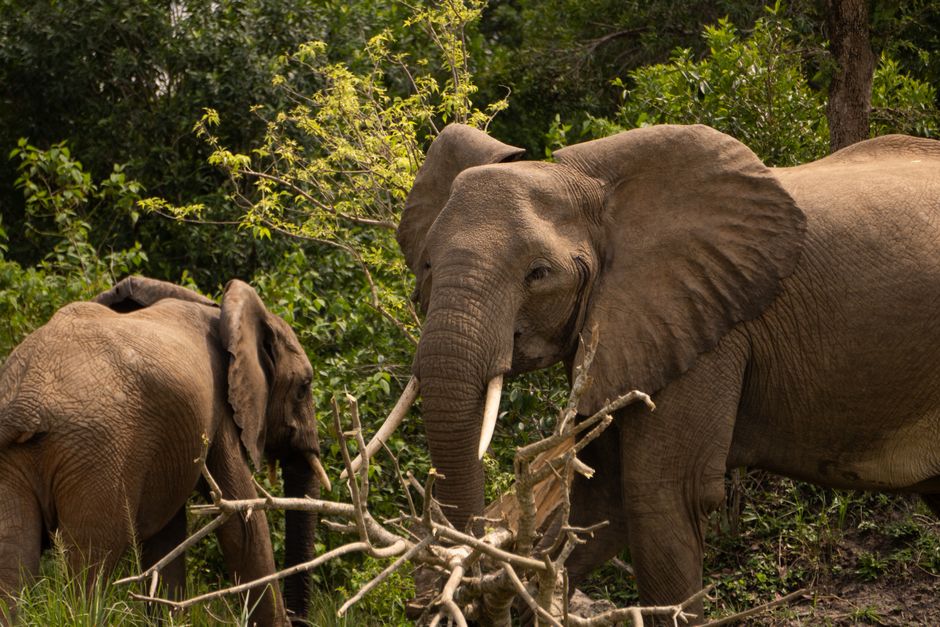
Melia Serengeti Lodge sits on a hillside overlooking the central Serengeti. The architecture follows the natural rock formations, and each room faces the plains. You wake up to a view that hasn’t changed in a few million years. The infinity pool looks out over grassland where elephants sometimes feed in the late afternoon. If you’re planning a safari honeymoon, this is a strong starting point.
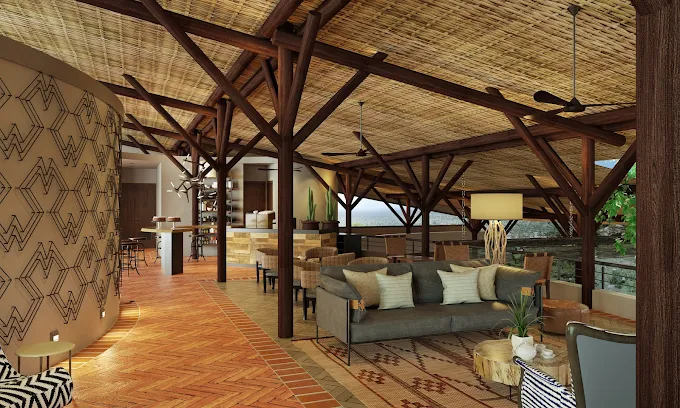
Melia Ngorongoro Lodge is positioned near the crater rim, at an elevation of roughly 2,200 meters. Cooler temperatures (expect 10–18°C), misty mornings, and a coffee lounge with the kind of atmosphere that makes you want to stay an extra hour before the drive down into the crater.
Melia Zanzibar handles the beach phase. White sand, Indian Ocean, and a pace that’s deliberately slower than everything that came before it. The transition from bush to beach takes less than two hours by air, but it feels like crossing into a different trip entirely.
What to look for in luxury safari lodges for couples:
Private balcony or terrace with a view (not all “luxury” rooms have this)
On-site dining that goes beyond buffet service
A pool that isn’t shared with 40 other guests
In-room or nearby spa services
Reliable hot water and electricity (sounds basic, but some remote camps run on generators with limited hours)
I’d skip any lodge that describes itself as “rustic luxury” without specifying what the rooms actually include. Ask for photos of the bathroom. That tells you everything.

How to Plan a Honeymoon Safari Without the Stress
Planning a safari honeymoon generates more anxiety than it should. The distances are unfamiliar, the terminology is new (conservancy? concession? mobile camp?), and the stakes feel high because this is supposed to be the trip.
Here’s how to plan a honeymoon safari in practical terms:
Start 6–9 months ahead. Peak-season lodges in the Serengeti book out. Balloon flights sell out. Specific room categories (honeymoon suites, pool villas) have limited inventory. Starting early doesn’t mean deciding everything immediately. It means securing the pieces that disappear first.
Choose a specialist operator. A general travel agent can book flights. But routing a multi-destination safari with internal transfers, lodge coordination, and contingency planning requires someone who knows the ground. The difference between a specialist and a generalist shows up when something changes, when a flight is delayed, a road is washed out, or you want to extend a stay. Baloni Bespoke Travel coordinates these itineraries end to end, with a personal travel coordinator available via WhatsApp throughout the trip. That kind of direct line matters more than you’d expect when you’re standing in Arusha airport wondering where your transfer is.
Decide on safari-only or safari-plus-beach. A 10-to-14-day window is ideal. A common split: 5–6 nights on safari (split between Serengeti and Ngorongoro), then 3–4 nights on Zanzibar. This gives enough time to decompress after early mornings and long drives.
Clarify what’s included before you commit. Park fees, vehicle costs, internal flights, meals, drinks, laundry, tips, travel insurance. Safari honeymoon packages vary wildly in what’s bundled. The best operators lay this out clearly, line by line, before you pay anything.

Couple’s Safari Packing List: What Actually Matters
Every packing guide for safari says the same things. Here’s what they usually leave out.
Neutral colors matter, but not for the reason you think. Bright whites and neon attract tsetse flies. Khaki, olive, tan, and muted browns aren’t about looking the part. They’re about not getting bitten.
Layers are non-negotiable. Morning game drives at 2,200 meters near Ngorongoro can feel genuinely cold (10°C or lower in June–August). By 11:00 a.m. on the crater floor, you’re in a t-shirt. A fleece, a windbreaker, and a sun hat cover the range.
Binoculars outperform camera zoom for actual enjoyment. Yes, bring the camera. But a decent pair of 8×42 binoculars lets you watch a lion’s expression from 80 meters in a way that squinting through a telephoto lens doesn’t.
Your couple’s safari packing list, stripped to what you’ll actually use:
3–4 neutral-toned shirts (quick-dry fabric)
2 pairs of lightweight trousers (zip-off legs are practical, not fashionable)
1 warm fleece or light down jacket
1 rain jacket (compact, packable)
Comfortable closed-toe walking shoes
Sandals for the lodge
Wide-brim hat and quality sunglasses
SPF 50 sunscreen and insect repellent (DEET-based)
Binoculars
Camera with a zoom lens (200mm minimum for wildlife)
Power bank and adaptor (Tanzania uses Type D/G sockets)
A small daypack for drives
Prescription medications and a basic first-aid kit
Skip the formal wear. Even the nicest safari lodges keep dress codes relaxed. Smart casual at dinner means clean trousers and a collared shirt, not a blazer.
Romantic Safari Tips and Advice for First-Timers
A few things I wish someone had told me before my first safari as a couple.
Sit on the same side of the vehicle. In a private 4×4, you can choose your seats. Sitting together means sharing the same angle on a sighting, which sounds minor until you realize that “did you see that?” loses its magic when the answer is “no, it was on your side.”
Bring a journal. Not for Instagram captions. For the details you’ll forget in a week. The sound a herd of elephants makes when feeding right beside your vehicle. The way a klipspringer (one of the rarest antelopes in the Serengeti) dashes for cover when a cheetah appears.
Don’t compare your trip to someone else’s highlight reel. Some couples see a leopard on day one. Others wait four days and then suddenly encounter three male lions, mating lions, cheetahs on a kill, and a female cheetah silhouetted on a termite mound, all in a single evening drive. The Serengeti doesn’t run on a schedule.
Budget for tips. Guides, lodge staff, and drivers rely on gratuities. A reasonable guideline: $15–$20 per person per day for your guide, $10–$15 per person per day for lodge staff. Ask your operator for specific advice, as norms vary by lodge and region.
Talk to your guide. The best guides are walking encyclopedias of animal behavior, plant identification, and local history. But they won’t lecture unless you ask. The couples who get the most from a safari are the ones who treat the guide as a companion, not a chauffeur.
Safari Honeymoon Packages: What to Look For
Not all safari honeymoon packages are created equal. Some bundle everything and price it clearly. Others advertise a low base rate and then add park fees, vehicle supplements, and internal flights as extras that double the cost.
What should be included in a well-structured package:
Return international flights or clear guidance on booking them
All internal transfers (flights, road transfers, boat transfers to Zanzibar)
Accommodation at named, inspectable lodges
All meals and most drinks at safari lodges
Private vehicle and English-speaking guide for all game drives
Park and conservation fees
Travel insurance, including the legally required coverage for your country of origin
A dedicated coordinator reachable throughout the trip
What’s often excluded (and shouldn’t surprise you):
Premium spirits and imported wines
Spa treatments
Balloon flights and other optional activities
Visa fees
Personal shopping and laundry at some properties
Gratuities
When comparing affordable safari activities for couples, look at the total cost, not the per-night rate. A lodge that costs $400/night but excludes park fees ($70/person/day in the Serengeti), transfers, and vehicle hire can end up more expensive than a $600/night all-inclusive option.

What a Well-Planned Romantic Safari Actually Feels Like
A romantic safari isn’t about rose petals on the bed (though some lodges do that, and it’s fine). It’s about the accumulated effect of four or five days where every transfer works, every meal is ready when you are, and the only decision you make is whether to watch the sunset from the pool or the terrace.
The couples who come back most satisfied are the ones who gave up control early. They trusted a specialist to handle the routing, the timing, the lodge selection, and the contingency planning. They showed up, got in the vehicle, and let the Serengeti do what it does.
If you’re planning a romantic safari trip for the first time, the single most useful thing you can do is talk to someone who has organized hundreds of them. Not a website. A person. Someone who will answer your specific questions, adjust the itinerary to your pace, and be available when you’re on the ground.
That’s what separates a trip from an experience you’ll still be talking about at your next anniversar
Frequently Asked Questions
When is the best time for a romantic safari?
The best time for a romantic safari is from June through October. During these months, East Africa’s dry season makes wildlife viewing easier as animals gather around water sources. Early morning drives provide the most enchanting light and cooler temperatures.
How to plan a honeymoon safari without stress?
Start planning a honeymoon safari 6–9 months in advance. Secure peak-season accommodations and book activities like balloon flights early. Choose a specialist operator for seamless experiences and clarify package inclusions to avoid unexpected costs.
What should be included in a couple’s safari packing list?
A couple’s safari packing list should include neutral-toned clothing, layers for varying temperatures, comfortable walking shoes, and essential gear like binoculars and a camera. Also pack a sun hat, sunscreen, and insect repellent to ensure comfort and protection.
What makes private safari experiences unique for couples?
Private safari experiences offer personalized itineraries and flexible timing. Couples enjoy tailored game drives, private guides, and the ability to linger at sightings. This control enhances the intimate and exclusive nature of a romantic safari adventure.
What are some affordable safari activities for couples?
Affordable safari activities for couples include guided walking safaris, sundowner cocktails with scenic views, and cultural visits to Maasai communities. These experiences offer unique insights without the high cost of premium add-ons like hot air balloon rides.
 |
Rahul Baloni |
 Powered by TypeHero