
At a Glance
Bhutan’s Paro–Thimphu–Punakha route is short in miles but best done slowly, with time for stops, altitude changes, and quiet moments.
Paro packs major heritage sites plus the Tiger’s Nest hike, known for pine forests and big elevation gain.
Thimphu highlights daily culture: chorten life, weekend market, crafts school, and evening dzong visits.
Punakha is warmer, with a riverside fortress dzong and an easy walk to Chimi Lhakhang through rice fields.
Travel requires a licensed tour operator and a $100/night SDF; festivals and seasons shape crowds, weather, and views.
Paro Valley smells like pine resin and juniper smoke. The airport runway sits at 2,236 meters, hemmed in by forested ridges so steep that only a handful of pilots in the world are certified to land here. And that’s your first clue about Bhutan: everything here operates on its own terms. Bhutan cultural experiences don’t arrive on a conveyor belt. They unfold slowly, between prayer flags and rice paddies, in conversations with monks who have nowhere else to be.
For couples treating travel as a genuine reset, or for anyone who wants to explore Bhutan culture without the pressure of a packed group schedule, the Paro-Thimphu-Punakha triangle covers roughly 150 kilometers of road. Not far on paper. But the altitude changes, the switchbacks, and the things worth stopping for turn those kilometers into days. And that’s the point.
Baloni Bespoke Travel plans private Bhutan journeys around your rhythm, not a fixed departure calendar. One coordinator, one WhatsApp line, one itinerary built for you.
Paro Valley: Where Bhutan Heritage Sites Concentrate
Paro Valley holds the highest density of Bhutan heritage sites in the country, packed into a stretch of farmland roughly 15 kilometers long. The National Museum (Ta Dzong), Rinpung Dzong, and the 7th-century Kyichu Lhakhang all sit within a 20-minute drive of each other. You could technically see them in a single morning. I wouldn’t.
Kyichu Lhakhang is one of Bhutan’s oldest temples, reportedly built in 659 AD by Tibetan King Songtsen Gampo. The inner sanctum is small, maybe ten paces across, and lit almost entirely by butter lamps. The warmth of the wax and the low murmur of prayer give the room a density that photographs can’t capture.

The Tiger’s Nest (Taktsang Monastery) is the obvious draw, and it earns every bit of attention. The hike is about 5 kilometers round-trip with roughly 900 meters of elevation gain. Budget three to four hours up, two down. The trail passes through blue pine forest, and in spring (March through May) the rhododendrons along the lower sections bloom in thick clusters of red and white.
But here’s what most guides skip: the cafeteria at the halfway point has a terrace with a direct sightline to the monastery. Sit there for ten minutes before the final push. The monastery clings to the cliff face at 3,120 meters, and from that terrace, you can see the prayer flags strung across the gorge catching the wind. That pause matters more than the summit photo.
What guests noticed
“We had a fantastic experience with Rahul. His calm and friendly manner made communication and planning very pleasant, and we had a wonderful trip. He created a perfect balance between activities and relaxation time, has a great network, and shares valuable insider tips. It’s a pleasure to be in contact with Rahul, and I wholeheartedly recommend working with him.”
— Jessica Farrell · Google · ★ 5.0
“Thank you, Baloni Bespoke Travel, for making our Singapore trip feel so easy and genuinely enjoyable. From planning and bookings to timings and all the little details that usually become stressful, everything was taken care of so smoothly that we could simply relax and enjoy the trip. What stood out most was how thoughtfully everything flowed. We never felt rushed or worried about what s next we just got to be present, soak it all in, and make memories, knowing someone had already thought through the details and the comfort of everyone in the group. A special mention to Rahul Baloni thank you for being so calm, responsive, and meticulous throughout. Your guidance and attention to detail made a real difference, and it s a big reason this trip felt not just well planned, but truly special for us. ❤”
— Manish Muraleedhraran · Google · ★ 5.0
“My wife and I booked a trip to India through BBT. We visited Jaipur and Delhi, among other places. Everything went wonderfully, and our requests were met to our complete satisfaction. We got to know the country and its people and received a warm welcome everywhere we went. I even dared to drive in Delhi’s city traffic—or rather, I got to drive Mr. Baloni’s car ;)”
— Jan Szameitat · Google · ★ 5.0
Thimphu: How to Experience Bhutanese Culture in the Capital
Thimphu is the only national capital in the world without a single traffic light. A police officer in white gloves directs cars from a painted booth at the main intersection. The city has a population of roughly 115,000, and it feels like a town that’s still deciding what kind of city it wants to become.
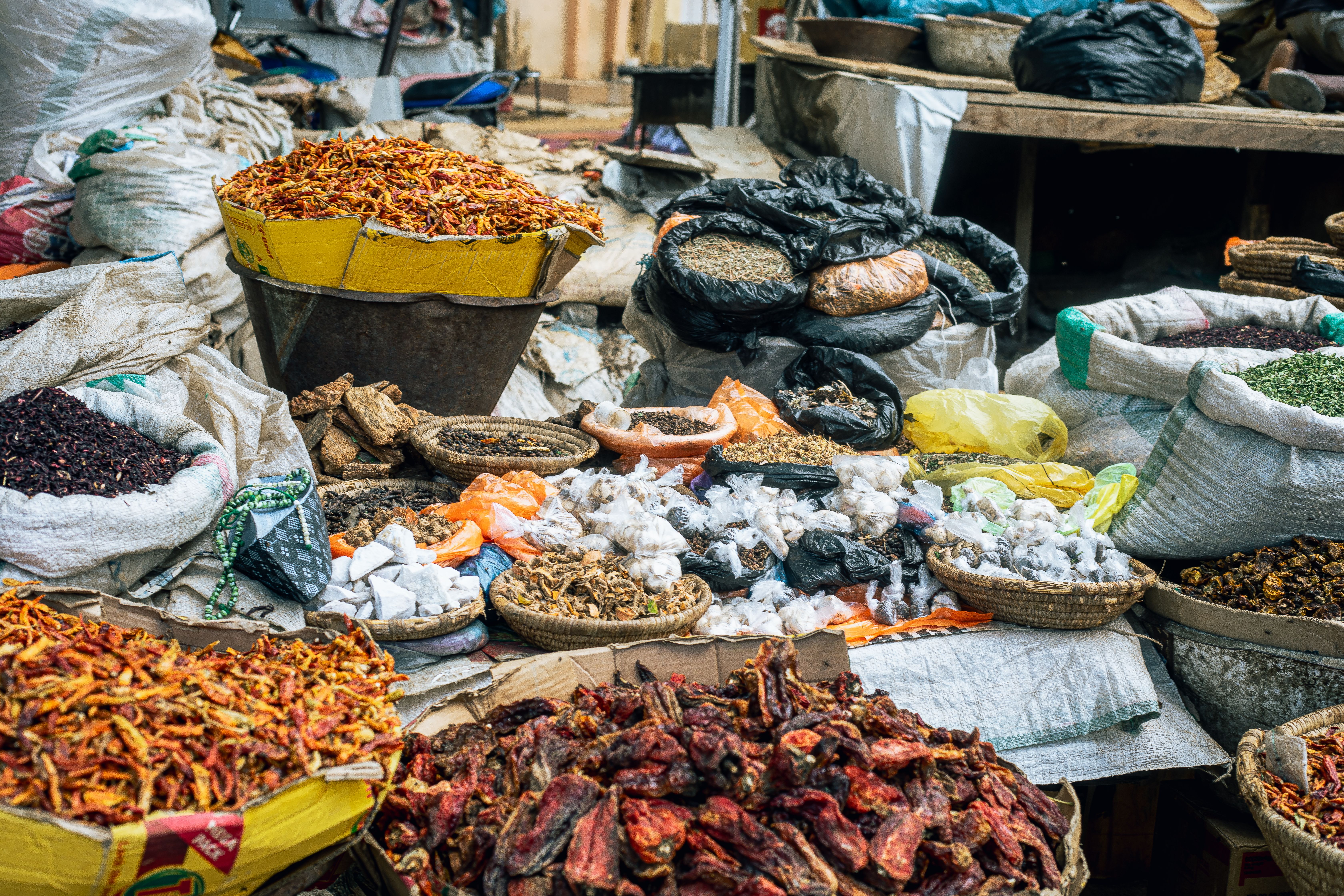
The best cultural experiences in Bhutan’s capital cluster around two areas: the Memorial Chorten (built in 1974 for the third king) and the weekend market along the Wang Chhu river. The market runs Friday through Sunday, and it’s where Thimphu residents buy dried yak cheese, red rice, and bundles of dried chili peppers. No tourist markup. The cheese is hard enough to crack a tooth if you’re not careful.
For anyone wanting to explore Bhutan culture through its crafts, the National Institute for Zorig Chusum teaches the 13 traditional Bhutanese crafts, from thangka painting to wood carving. Students train for four to six years. Visitors can walk through the classrooms (ask permission first) and watch teenagers painting intricate Buddhist iconography with brushes made from cat hair. The precision is startling.
The Tashichho Dzong, seat of Bhutan’s government and the central monastic body, opens to visitors in the evening after office hours during summer months (roughly June through September). The courtyard at dusk, when the monks file in for evening prayers, is one of the quietest public spaces you’ll find anywhere.

Punakha: The Warmest Valley and Its Fortress on the Water
The drive from Thimphu to Punakha crosses the Dochula Pass at 3,100 meters. On a clear day (most common between October and February), you can see a panorama of Himalayan peaks, including Gangkar Puensum at 7,570 meters, the highest unclimbed mountain on Earth. The pass has 108 memorial chortens arranged in rows, and the air at that altitude is thin enough that walking between them feels deliberate.
Punakha sits at just 1,200 meters, making it noticeably warmer than Thimphu or Paro. The subtropical valley produces rice, oranges, and bananas. The contrast in temperature and vegetation after descending 1,900 meters in under an hour is physical. You feel it on your skin.

Punakha Dzong, built in 1637, sits at the exact point where the Mo Chhu and Pho Chhu rivers meet. It served as Bhutan’s capital until 1955 and still hosts the annual migration of the monastic body from Thimphu each winter. The interior has some of the finest woodwork in the country, and the assembly hall’s scale (roughly 54 pillars, each carved from a single trunk) gives it a weight that smaller temples don’t match.
A 20-minute walk through rice paddies leads to the Chimi Lhakhang, the “fertility temple” associated with the 15th-century saint Drukpa Kunley. The walk itself is the attraction: flat, quiet, with paddy water reflecting the sky on both sides.
Bhutanese Festivals and Seasonal Timing
Bhutanese festivals (tshechus) follow the lunar calendar, so dates shift each year. The Paro Tshechu typically falls in March or April and runs for five days. The Thimphu Tshechu takes place in September or October over three days. Both feature masked dances (cham) performed by monks in the dzong courtyards, and the energy in those courtyards is nothing like watching a performance. It’s participatory. Families bring picnics. Children run between the dancers.
If your travel window aligns with a tshechu, build your itinerary around it. If it doesn’t, the country still delivers. Bhutan’s unique cultural traditions aren’t confined to festival dates. The daily flag-hoisting ceremonies at dzongs, the sound of monks chanting at dawn, the smell of incense drifting from farmhouse altars along the road, these are constant.

Season | Temperature (Paro) | Best For |
|---|---|---|
Spring (Mar–May) | 5–20°C | Rhododendron blooms, Paro Tshechu, clear trekking |
Summer (Jun–Aug) | 15–25°C | Green valleys, fewer tourists, monsoon rain |
Autumn (Sep–Nov) | 5–20°C | Thimphu Tshechu, harvest season, clear skies |
Winter (Dec–Feb) | -5–12°C | Punakha warmth, Black-necked Crane Festival |
Bhutan Local Cuisine and What to Eat Where
Ema datshi. That’s the national dish, and you’ll eat it at every meal if you let the kitchen decide. It’s chili peppers cooked in a cheese sauce, and the heat varies from gentle to genuinely aggressive depending on the cook. In Thimphu, the restaurants along Norzin Lam serve versions that are tuned for visitors. In Punakha, the farmhouse versions use fresh green chilies that make your eyes water before the first bite.
Red rice is the staple grain, nuttier and chewier than white rice, grown in the paddies you walk through on the way to Chimi Lhakhang. Buckwheat pancakes (khuli) appear more often in Bumthang to the east, but some Paro hotels serve them at breakfast. Suja, butter tea made with yak butter and salt, is an acquired taste. Honestly, I think it’s better as an idea than as a drink, but your mileage may vary.

For Bhutan travel experiences centered on food, ask your guide to arrange a farmhouse lunch. These aren’t restaurants. A family cooks what they’d normally eat, serves it on the floor of their living room, and joins you. The food is simple. The setting is not.
Traditional Bhutanese Crafts and Living Art Forms
Bhutan’s 13 arts (Zorig Chusum) aren’t museum pieces. They’re a functioning creative economy. Thangka painters in Thimphu still produce commissioned works for monasteries. Weavers in the eastern districts (Trashigang, Lhuentse) create kira textiles that take months to complete on backstrap looms. A single high-quality kira can cost the equivalent of several months’ wages, and families pass them across generations.

Traditional Bhutanese crafts show up in everyday life in ways you stop noticing after a few days, which is exactly when they become interesting. The wooden window frames on farmhouses are hand-carved. The stone walls of dzongs are built without mortar. Bhutanese traditional music and art surface during festivals, but also in the songs that farmers sing during rice planting season, passed down without notation.
At the Textile Museum in Thimphu, the collection includes pieces dating back several centuries. The museum is small (maybe 30 minutes to see everything), but the weaving demonstrations on the ground floor give you a tactile sense of how complex these patterns are. The weavers work from memory.
Planning a Bhutan Cultural Tour: What You Should Know
Bhutan requires all international visitors (except Indian, Bangladeshi, and Maldivian nationals) to book through a licensed tour operator or an authorized international partner. There is a Sustainable Development Fee (SDF) of $100 per person per night, which covers access to heritage sites, trails, and cultural institutions. This fee is separate from accommodation and guide costs.
Bhutan cultural tours work best with a minimum of seven days for the Paro-Thimphu-Punakha route. Ten days lets you add the Haa Valley or the Gangtey Valley (home to the Black-necked Crane habitat, best viewed November through February). Bhutan cultural experiences for families are manageable on this route, though the Tiger’s Nest hike requires reasonable fitness for children over eight.
Baloni Bespoke Travel coordinates every detail from your first conversation through your final transfer, with personal WhatsApp support throughout your journey.

Flights into Paro operate from Delhi (about 2.5 hours), Bangkok (roughly 4 hours), Kathmandu (about 1.5 hours), and Singapore. Only two airlines serve the route: Drukair and Bhutan Airlines. Book early. Seats fill months ahead during festival season.
For couples and travelers combining Bhutan with Nepal, the Kathmandu-Paro connection is the most efficient pairing. India’s Golden Triangle also works well as a pre-Bhutan leg, connecting through Delhi.
Bhutan Rewards Those Who Slow Down
Bhutan’s Paro-Thimphu-Punakha route covers three valleys, six major heritage sites, and a living culture that hasn’t been packaged for mass consumption. The Sustainable Development Fee keeps visitor numbers low (roughly 300,000 in 2023, compared to Nepal’s 1 million). Bhutanese traditional music and art, the tshechu festivals, the farmhouse meals, the hand-carved dzong interiors: these aren’t curated attractions. They’re how the country works. Seven to ten days, a private guide, and a willingness to sit still when the moment calls for it. That’s the formula.

Frequently Asked Questions
What are the best cultural experiences in Bhutan for a first-time visitor?
The best cultural experiences in Bhutan for a first-time visitor are concentrated in Paro, Thimphu, and Punakha, where heritage sites, monasteries, markets, and dzongs are close enough to combine in one route. Seven to ten days gives you time to move slowly and actually explore Bhutan culture.
A strong first itinerary includes Paro’s Kyichu Lhakhang and Tiger’s Nest, Thimphu’s Memorial Chorten and weekend market, and Punakha Dzong with the walk to Chimi Lhakhang.
How to experience Bhutanese culture without rushing between sights?
How to experience Bhutanese culture well is to build your days around a few meaningful stops instead of trying to see everything at once. The Paro-Thimphu-Punakha route works best at a slower pace, with time for monasteries, dzongs, craft schools, and farmhouse meals.
That rhythm lets you absorb Bhutan unique cultural traditions, from prayer rituals and evening prayers to the quiet atmosphere inside temples and dzongs.
Which Bhutan heritage sites should be included in Bhutan cultural tours?
Bhutan heritage sites that should be included in Bhutan cultural tours are Kyichu Lhakhang, Rinpung Dzong, the National Museum in Paro, Tashichho Dzong in Thimphu, and Punakha Dzong. These sites show the country’s religious, political, and artistic history in one compact route.
Together, they give you a clear picture of Bhutan cultural experiences without requiring long detours.
What are the best cultural experiences in Bhutan for families?
The best cultural experiences in Bhutan for families include easy heritage-site visits, the weekend market in Thimphu, the walk to Chimi Lhakhang, and a manageable visit to Punakha Dzong. The Tiger’s Nest hike is possible for children over eight if they have reasonable fitness.
These Bhutan cultural experiences for families work best when the itinerary leaves room for rest and shorter days.
Where can travelers explore Bhutan culture through crafts and art?
Travelers can explore Bhutan culture through crafts and art at the National Institute for Zorig Chusum and the Textile Museum in Thimphu. The institute teaches the 13 traditional Bhutanese crafts, while the museum shows weaving traditions and demonstrations that reveal how complex the patterns are.
Bhutanese traditional music and art also appear during festivals and in everyday life, from carved farmhouses to songs passed down by farmers.
When is the best time to see Bhutanese festivals and local food experiences?
The best time to see Bhutanese festivals is during the Paro Tshechu in March or April and the Thimphu Tshechu in September or October. For Bhutan local cuisine, the year-round highlights are ema datshi, red rice, suja, and farmhouse lunches.
Those seasons also support some of the best cultural experiences in Bhutan, especially when festival dates align with your travel window.
 |
Rahul Baloni |
Last updated at: November 17, 2026
 Powered by TypeHero