
At a Glance
Skip the standard loop for quieter, more private honeymoon spots across both islands.
Wairarapa (near Wellington) offers small, family-run wineries and standout pinot noir; Toast festival sells out lodging early.
Taranaki’s west-coast drive pairs black-sand beaches with the tough Pouakai Crossing and New Plymouth’s art and waterfront.
Aoraki Mackenzie Dark Sky Reserve near Tekapo is best for stargazing; winter needs advance bookings.
South Island wild cards: rainy West Coast lagoons and Pancake Rocks, plus the Catlins and Stewart Island for penguins, sea lions, and kiwi sightings.
Most couples land in Queenstown, tick off Milford Sound, and fly home thinking they’ve seen New Zealand. They haven’t. The best kept secrets of New Zealand sit on roads that don’t appear in standard tour packages, in lodges where your nearest neighbor is a tūī bird, and at dinner tables where the chef knows the farmer by first name. Hidden gems New Zealand has in abundance aren’t hard to reach. They’re just easy to miss if nobody tells you where to look.
This is a guide to off the beaten path New Zealand for couples who want their honeymoon to feel private, unhurried, and genuinely rare. Not a list of 47 attractions. A handful of places that earn the detour, with practical New Zealand travel tips on timing, distances, and what to book before you go.
The Wairarapa: Wine Country Without the Tour Buses
The Wairarapa wine region sits roughly 80 kilometers northeast of Wellington, across the Remutaka Range. Drive time from the capital is about 75 minutes, and the shift in atmosphere happens fast. Where Marlborough draws large groups and industrial-scale cellar doors, Wairarapa keeps things small. Martinborough alone has over 20 wineries within a 3-kilometer radius of the village square, most of them family-run, most pouring for maybe four or five visitors at a time.
Pinot noir is the star here. The gravelly soils and cool nights produce wines that compete internationally but rarely leave the country in large quantities. Ask for a tasting at Ata Rangi or Dry River and you’re standing in someone’s actual working winery, not a showroom.
For a honeymoon, the appeal is obvious: quiet mornings, long lunches, and nobody rushing you. Stay at a vineyard cottage and walk between cellar doors. The village itself has a population of roughly 1,500 people. You’ll hear birdsong, not traffic.
One practical note: Martinborough’s annual Toast festival (held each November) is worth building a trip around, but accommodation books out months ahead.
Honeymoon Travel Stories
“We had a fantastic experience with Rahul. His calm and friendly manner made communication and planning very pleasant, and we had a wonderful trip. He created a perfect balance between activities and relaxation time, has a great network, and shares valuable insider tips. It’s a pleasure to be in contact with Rahul, and I wholeheartedly recommend working with him.”
— Jessica Farrell · Google · ★ 5.0
“Thank you, Baloni Bespoke Travel, for making our Singapore trip feel so easy and genuinely enjoyable. From planning and bookings to timings and all the little details that usually become stressful, everything was taken care of so smoothly that we could simply relax and enjoy the trip. What stood out most was how thoughtfully everything flowed. We never felt rushed or worried about what s next we just got to be present, soak it all in, and make memories, knowing someone had already thought through the details and the comfort of everyone in the group. A special mention to Rahul Baloni thank you for being so calm, responsive, and meticulous throughout. Your guidance and attention to detail made a real difference, and it s a big reason this trip felt not just well planned, but truly special for us. ❤”
— Manish Muraleedhraran · Google · ★ 5.0
“BBT helped us book a break in Cambodia. The whole process was efficient, professional and easy. Simple discussion on our needs were held and the rest was taken care of. Thank you.”
— Navin Nayak · Google · ★ 5.0

Off the Beaten Track New Zealand: The Forgotten Coast
The stretch between Whanganui and New Plymouth on the North Island’s west coast is one of the most overlooked drives in the country. State Highway 3 runs roughly 160 kilometers through small towns, past black-sand surf beaches, and under the shadow of Mount Taranaki (2,518 meters). I think this might be the most underrated coastal road in all of New Zealand, though your mileage may vary.
Taranaki itself is the draw. The volcano’s symmetrical cone looks almost artificial from a distance. The Pouakai Crossing, a 19-kilometer day hike, takes you through goblin forest (yes, that’s what they call it, and the name fits) draped in moss and liverwort, then up to the Pouakai Tarns, where the mountain reflects in a shallow alpine pool. It’s a 7-to-8-hour walk. Not easy. But the reward is a photograph that looks like it was staged, except it wasn’t.
The town of New Plymouth itself is small (roughly 58,000 people) but has a surprisingly good contemporary art gallery, the Govett-Brewster. And the coastal walkway runs 13 kilometers along the shoreline, past the Wind Wand sculpture, which sways 45 meters above the waterfront.
This is one of those unique places to visit NZ couples rarely consider. That’s precisely the point.
Aoraki Mackenzie Dark Sky Reserve: Where the Night Is the Attraction
The Aoraki Mackenzie International Dark Sky Reserve covers 4,367 square kilometers of the central South Island, making it one of the largest dark sky reserves on Earth. Light pollution here is essentially zero. On a clear night between April and September, the Milky Way doesn’t just appear. It dominates.
The town of Tekapo (population around 400) sits at the southern edge of the reserve, beside a glacial lake so turquoise it looks chemically treated. It isn’t. The color comes from glacial flour, fine rock particles suspended in meltwater. The Church of the Good Shepherd, built in 1935, frames the lake through its altar window. It’s a cliché photograph for a reason.
For couples, a private stargazing session at the Mount John Observatory (1,029 meters elevation) is the experience to book. Sessions run roughly 90 minutes and use research-grade telescopes. Book at least two weeks ahead in winter, when clear skies and long nights coincide. This is one of the best hidden gems in New Zealand for anyone who’s ever wanted to see the Southern Cross without squinting.
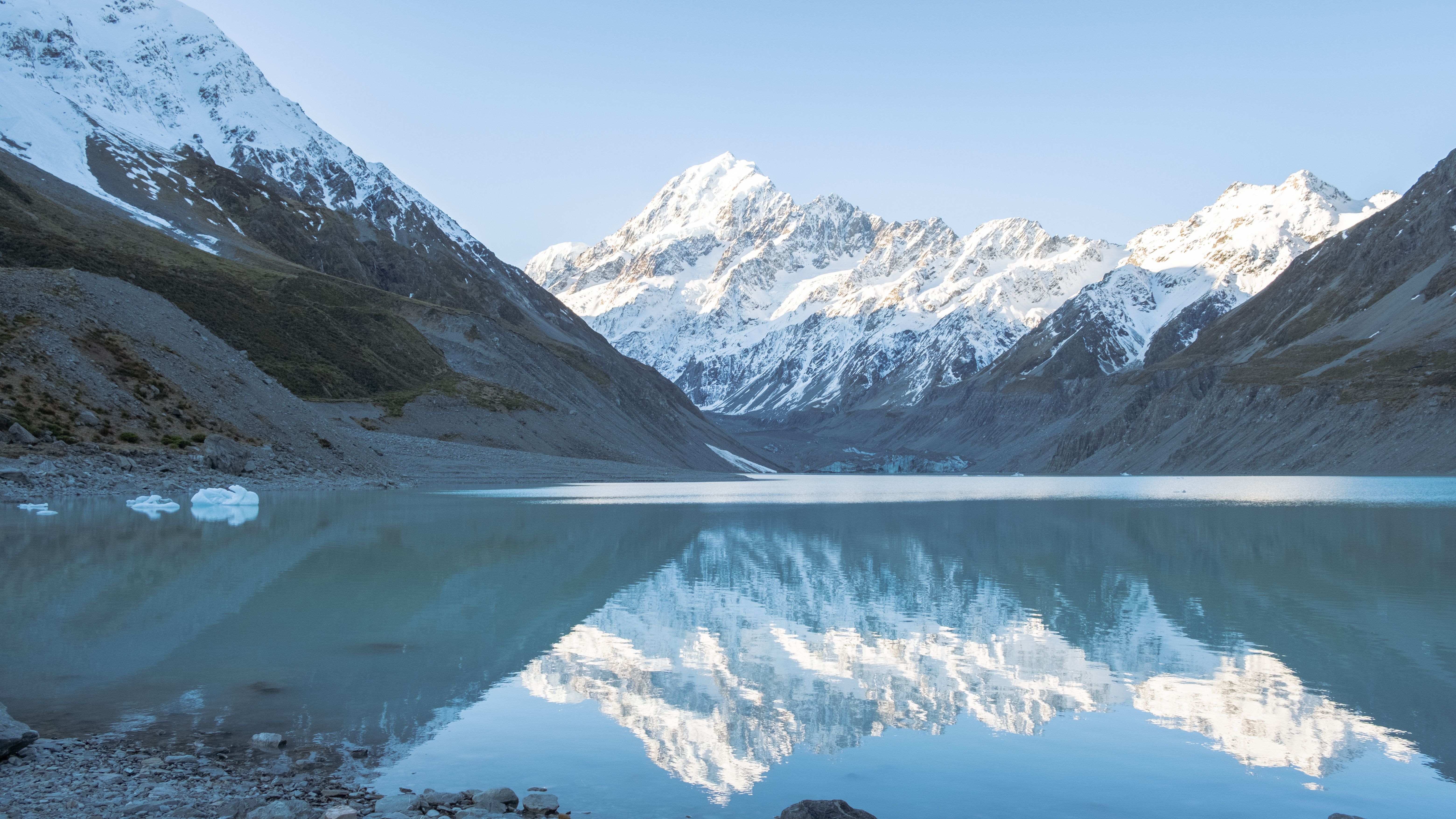
Quirky New Zealand Destinations on the South Island’s West Coast
The West Coast of the South Island is wet, wild, and sparsely populated. Roughly 32,000 people live along a 600-kilometer stretch of coastline backed by the Southern Alps. It rains here. A lot. Hokitika gets around 2,900 millimeters annually. But the rain is part of the character, and the light after a downpour turns the bush an almost electric green.
Ōkārito Lagoon, about 30 minutes south of Hokitika, is New Zealand’s largest unmodified wetland. Kayak it at dawn and you might see a kōtuku (white heron). Only about 100 to 120 of these birds exist in the wild, and they nest near Ōkārito between September and March. A guided kayak tour runs roughly 3 hours.
Farther south, the Haast Pass road (State Highway 6) crosses from the coast into the dry interior of Central Otago. The transition takes about two hours of driving and feels like crossing into a different country. One side: temperate rainforest, waterfalls, sandflies. The other: golden tussock, schist rock, and vineyards. If you’re building a route that includes unexplored areas New Zealand has tucked away from standard itineraries, this crossing belongs on it.
Punakaiki’s Pancake Rocks, about 45 minutes north of Greymouth, are worth a 20-minute stop. The limestone formations are 30 million years old. At high tide, seawater shoots through blowholes with a sound you feel in your chest.

Hidden Attractions in NZ: The Catlins and Stewart Island
The Catlins occupy the southeastern corner of the South Island, between Invercargill and Balclutha. Almost nobody goes here, which is exactly why you should. The drive through the Catlins takes about 3 hours without stops, but plan a full day. The road winds through podocarp forest, past waterfalls (Purakaunui Falls is a 10-minute walk from the car park), and along a coastline where sea lions sleep on the sand like they own it. They do.
Curio Bay has a petrified forest visible at low tide, 180 million years old. At dusk, yellow-eyed penguins waddle ashore. You watch from a viewing platform maybe 15 meters away. No fences, no admission fee, no crowd. Just penguins.
Stewart Island (Rakiura), accessible by a 60-minute ferry from Bluff or a 20-minute flight from Invercargill, takes the isolation further. The island has roughly 400 permanent residents and one road. The Rakiura Track, a 32-kilometer Great Walk, takes three days. But even a single night on the island is worth it for the kiwi spotting. Stewart Island is one of the few places in New Zealand where you can see a kiwi in the wild, on a guided evening walk along Ocean Beach. The birds forage in the kelp at the waterline, unbothered.
If you’re wondering how to find hidden gems in NZ that feel genuinely untouched, the Catlins and Stewart Island are the answer. These aren’t places that got popular and then quieted down. They were never popular. And that’s their gift.

When to Go and What to Know Before Booking
New Zealand’s shoulder seasons deliver the best conditions for a honeymoon focused on privacy and mild weather. March through April (early autumn) brings warm days, cooler evenings, and noticeably fewer visitors. October through November (spring) offers wildflowers, longer daylight hours, and availability at lodges that fill up over summer.
Factor | Summer (Dec–Feb) | Shoulder (Mar–Apr / Oct–Nov) | Winter (Jun–Aug) |
|---|---|---|---|
Crowds | High | Low to moderate | Very low |
Temperatures (South Island avg.) | 15–25°C | 8–18°C | 2–10°C |
Lodge availability | Limited | Good | Excellent |
Stargazing conditions | Shorter nights | Good | Best |
Hiking conditions | Best | Good (some trails close late autumn) | Limited |
A few practical New Zealand travel tips for couples planning from Germany or Austria: the NZeTA (electronic travel authority) and IVL (International Visitor Conservation and Tourism Levy) are required before boarding. Processing takes up to 72 hours. UV radiation in New Zealand is significantly stronger than in Central Europe, even on overcast days. Pack SPF 50 and reapply.
Driving distances are longer than they look on a map. Queenstown to Milford Sound is 296 kilometers, but the road takes nearly 4 hours each way. Build buffer days into your route. Baloni Bespoke Travel plans custom New Zealand honeymoons with realistic pacing, so you spend your evenings at a lodge, not behind a steering wheel.

Booking a Honeymoon Around New Zealand’s Best Kept Secrets
A honeymoon built around unique attractions in a New Zealand travel guide looks different from a standard loop. You’re choosing lodges over hotels, private guides over bus tours, and routes that prioritize stillness over speed. The hidden attractions in NZ worth your time are spread across both islands, which means internal flights or deliberate driving days.
The most rewarding approach: pick three or four regions, spend two to three nights in each, and resist the urge to see everything. A 14-night itinerary that covers the Wairarapa, Taranaki, Aoraki Mackenzie, and the Catlins gives you four completely different landscapes without a single backtrack. Add Stewart Island for a fifth if your pace allows it. Baloni Bespoke Travel’s founder lived in New Zealand and builds every itinerary from a personal conversation, not a template. Lodges, transfers, guides, and experiences are coordinated end to end, with WhatsApp support throughout the trip. If a road closes or weather shifts your plans, someone who knows the ground adjusts the route in real time.
For couples who want to start planning a bespoke New Zealand honeymoonon, the process begins with a single call.
New Zealand’s most private, most striking places aren’t on the standard circuit. The Wairarapa pours wines that rarely leave the country. Taranaki’s volcanic cone reflects in alpine tarns after a full day’s hike. The Catlins’ petrified forest is 180 million years old, visible at low tide, and free. Stewart Island’s kiwi birds forage at the waterline at dusk. These are the places that make a honeymoon feel like it belongs to you, not to a brochure. And they’re all reachable with the right planning and enough time to slow down.
Frequently Asked Questions
What are the hidden gems in New Zealand for a honeymoon?
The best hidden gems in New Zealand for a honeymoon are the Wairarapa, Taranaki’s Forgotten Coast, Aoraki Mackenzie, the South Island West Coast, the Catlins, and Stewart Island. These places are quieter, more private, and better suited to couples who want time, space, and memorable scenery.
Wairarapa offers small-scale wine country near Wellington, while Aoraki Mackenzie is ideal for stargazing and the Catlins deliver untouched coastline and wildlife.
How to find hidden gems in NZ without overpacking the itinerary?
How to find hidden gems in NZ starts with choosing three or four regions and spending two to three nights in each. That approach keeps the trip calm and lets you reach off the beaten track New Zealand destinations without rushing between long drives.
A 14-night route covering the Wairarapa, Taranaki, Aoraki Mackenzie, and the Catlins gives you variety without backtracking.
Which unique places to visit NZ are best for couples who want privacy?
The best unique places to visit NZ for privacy are Martinborough in the Wairarapa, Tekapo in Aoraki Mackenzie, Ōkārito Lagoon, the Catlins, and Stewart Island. These locations stay low-key and reward couples who prefer quiet lodges, scenic drives, and unhurried days.
Stewart Island adds even more isolation, with one road and guided kiwi spotting at night.
What are the best kept secrets of New Zealand for scenery and wildlife?
The best kept secrets of New Zealand for scenery and wildlife include the Pouakai Crossing near Mount Taranaki, Ōkārito Lagoon, Curio Bay, and Stewart Island. These spots combine dramatic landscapes with rare wildlife and feel far removed from standard tourist routes.
At Curio Bay, you can see a petrified forest at low tide and yellow-eyed penguins at dusk.
When is the best time to visit hidden attractions in NZ?
The best time to visit hidden attractions in NZ is during the shoulder seasons, March through April and October through November. Those months bring fewer visitors, comfortable temperatures, and better lodge availability than summer.
Winter is best for stargazing, while summer is strongest for hiking, but shoulder season offers the best overall balance for a honeymoon.
What New Zealand travel tips should couples know before booking?
The most important New Zealand travel tips are to arrange NZeTA and IVL before boarding, pack SPF 50, and build buffer days into your route. Driving distances are longer than they look on a map, and some roads can take much longer than expected.
Queenstown to Milford Sound, for example, is 296 kilometers but takes nearly four hours each way.
 |
Rahul Baloni |
Last updated at: November 17, 2026
 Powered by TypeHero