
At a Glance
Deutsche zahlen für 10 Tage private Luxus-Safari in Tansania oft €4.500–€9.000 p.P.; mit Sansibar meist €5.500–€8.500, ohne internationale Flüge.
Größter Preistreiber: Lodge-Niveau (€250–€1.200 p.P./Nacht) und Saison.
Weitere Kosten: privater Wagen+Guide, Parkgebühren, Inlandsflüge, internationale Flüge.
Hochsaison (Jun–Okt) ist 20–40% teurer; November/Ende Feb sparen oft deutlich.
Angebote genau prüfen: Was ist inkl./exkl. (Gebühren, Getränke, Transfers, Trinkgeld)?
A ten-day private safari through Tanzania with luxury lodges, a dedicated guide, and a Zanzibar beach extension runs most German couples somewhere between €4,500 and €9,000 per person, depending on season, lodge tier, and how many parks you want to cover. That’s the average cost of luxury safaris for Germans who book through a specialist rather than piecing it together alone. The range is wide because “safari” can mean a lot of different things. A three-night fly-in to a single conservancy is a different trip (and a different invoice) than a twelve-day overland route through four national parks with a private 4×4 and a week on the coast afterward.
I’ve watched travelers spend weeks comparing safari packages for German tourists across a dozen operators, only to end up more confused than when they started. The pricing structures differ wildly. Some quote per person per night, others per vehicle per day. Some include park fees, others don’t. And flights from Frankfurt or Munich to Kilimanjaro or Johannesburg sit on top of everything, fluctuating by €400 or more depending on whether you book in January or July.
This guide breaks down what actually drives the cost, where your money goes, and how to read a safari quote without second-guessing every line item.
What guests are saying
“We had a fantastic experience with Rahul. His calm and friendly manner made communication and planning very pleasant, and we had a wonderful trip. He created a perfect balance between activities and relaxation time, has a great network, and shares valuable insider tips. It’s a pleasure to be in contact with Rahul, and I wholeheartedly recommend working with him.”
— Jessica Farrell · Google · ★ 5.0
“My wife and I booked a trip to India through BBT. We visited Jaipur and Delhi, among other places. Everything went wonderfully, and our requests were met to our complete satisfaction. We got to know the country and its people and received a warm welcome everywhere we went. I even dared to drive in Delhi’s city traffic—or rather, I got to drive Mr. Baloni’s car ;)”
— Jan Szameitat · Google · ★ 5.0
What Shapes the Average Cost of a Luxury Safari
The single biggest variable isn’t the destination. It’s the lodge. A night at a mid-range tented camp in the central Serengeti costs roughly €250–€400 per person. A top-tier property in the northern Serengeti or Ngorongoro Crater rim can run €600–€1,200 per person per night, full board, with game drives included. That gap alone can double your total.
After accommodation, the next cost driver is transport. Private 4×4 vehicles with a dedicated English-speaking guide cost more than shared group vehicles, but the difference in experience is substantial. You stop when you want. You stay at a sighting as long as it holds. Nobody votes on lunch timing. For couples celebrating an anniversary or a milestone (and honestly, that’s a large share of the German travelers we see booking safaris), private vehicles aren’t a luxury add-on. They’re the point.
Park and conservation fees add up faster than most people expect. Serengeti National Park charges $70 per adult per 24-hour period. Ngorongoro Conservation Area charges $70 per entry. The Crater itself adds a vehicle fee of $295 per descent. A seven-day safari touching three or four parks can accumulate $500–$800 in fees alone, per person.
Then there are the internal transfers. Domestic flights between parks (say, Serengeti to Zanzibar) run $250–$450 per person one way. Overland transfers save money but eat time, sometimes six or seven hours on rough roads.
Cost Component | Budget Range (per person) | Notes |
|---|---|---|
Lodge (per night) | €250–€1,200 | Varies by tier and season |
Private vehicle + guide (per day) | €150–€350 | Shared options cheaper but less flexible |
Park/conservation fees (total) | €450–€750 | Depends on number of parks visited |
Internal flights | €200–€400 per leg | Serengeti to Zanzibar common route |
International flights (FRA/MUC) | €600–€1,200 | Seasonal; book early for dry season |
Top African Destinations for Luxury Safaris and How Costs Compare
Not every safari destination costs the same, and the experience varies just as much as the price. Here’s a luxury safari cost comparison across the three most popular choices for German travelers.
Tanzania remains the strongest pick for first-timers who want the full package: big migration herds, predator density, and a beach finish on Zanzibar. A ten-day itinerary covering Tarangire, Ngorongoro Crater, and the Serengeti with a four-night Zanzibar extension typically lands between €5,500 and €8,500 per person, excluding international flights. The Serengeti’s wildebeest migration peaks in June through August in the northern sector, and January through February for calving season in the southern plains. Both windows command premium pricing at top lodges.
South Africa offers a different equation. Luxury safari experiences in South Africa for Germans tend to cost less per night (Sabi Sands lodges range from €400–€900 per person per night), and the Kruger region is malaria-lower-risk, which matters to some travelers. The trade-off: you won’t see the migration, and the landscapes feel more contained. Cape Town as a pre- or post-safari add-on is a strong pull, though, and the wine regions around Stellenbosch and Franschhoek add a dimension Tanzania simply doesn’t have.
Kenya’s Masai Mara is the classic alternative to the Serengeti, with the migration crossing the Mara River between July and October. Conservancy fees here run $80–$120 per person per day on top of lodge rates. Kenya’s luxury lodges are on par with Tanzania’s best, and Nairobi’s direct connections from Europe (KLM, Kenya Airways) sometimes make routing simpler.
If I’m being honest, for a German couple booking their first safari and wanting both wildlife and a beach recovery, Tanzania is the hardest to beat. The Tanzania and Zanzibar combination just works logistically, and the domestic flight from the Serengeti to Zanzibar takes about 90 minutes.
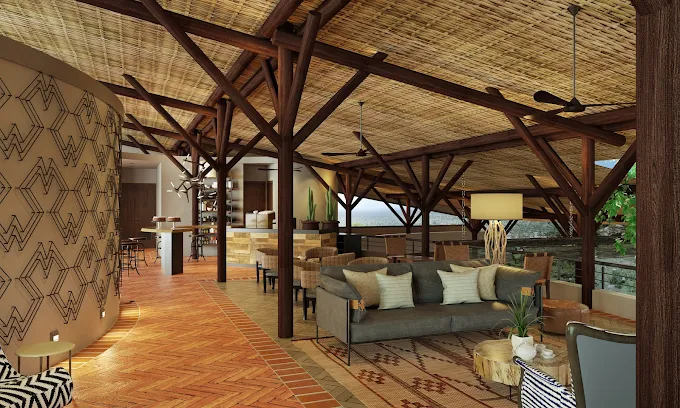
Best Luxury Safaris for Germans: What to Look for in a Package
Safari packages for German tourists vary enormously in what’s included, and the cheapest quote isn’t always the cheapest trip. I’ve seen travelers book a “budget luxury” package only to discover that park fees, crater descents, and all drinks were excluded. The final bill ended up higher than a properly inclusive option would have been.
Here’s what a well-structured safari package should include:
All accommodation on a full-board basis (some lodges include premium drinks, others charge separately)
Private 4×4 vehicle with a dedicated, English-speaking guide for all game drives
All national park and conservation area fees
Internal road or air transfers between parks and to/from the beach extension
A personal travel coordinator reachable via WhatsApp before and during the trip
Travel protection documentation, including the legally required Reiseschutzzertifikat for German travelers
What it typically won’t include: international flights, visa fees (Tanzania’s e-visa costs $50 and takes 3–5 business days), travel insurance, and tips for guides and lodge staff (budget $15–$25 per person per day for tips).
The best luxury safaris for Germans are built around transparency. You should know, before you commit, exactly what every line item covers. If a quote doesn’t break down park fees separately or specify whether vehicles are shared or private, ask. That ambiguity is rarely accidental.
Baloni Bespoke Travel builds each safari itinerary individually. No pre-made packages. The Africa luxury travel page outlines the approach, but the real planning starts with a conversation about what you actually want from the trip.
When to Book and How Timing Affects Safari Costs
Dry season (June through October) is peak safari season across East and Southern Africa. Lodge availability in the northern Serengeti during July and August can sell out six to nine months in advance at the top properties. Prices during this window are 20–40% higher than shoulder season rates.
The shoulder months (November, early December, and late February through March) offer a genuine sweet spot. Wildlife viewing is still strong, the landscapes are greener (better for photography), and lodge rates drop noticeably. A couple booking a ten-day Tanzania itinerary in November instead of August might save €1,500–€2,500 total without sacrificing much in terms of sightings.
January and February bring calving season to the southern Serengeti. Hundreds of thousands of wildebeest give birth over a few weeks, and the predator activity around the calving grounds is intense. It’s a different experience from the river crossings, but many repeat safari travelers prefer it. Rates sit between shoulder and peak.
March through May is the long rains. Some lodges close entirely. Others offer deep discounts. Game drives can be muddy and unpredictable. I’d skip it for a first safari unless your budget is genuinely tight and you’re comfortable with uncertainty.
For flights from Germany, booking four to six months ahead for dry season travel typically yields the best fares. Lufthansa, Ethiopian Airlines, and KLM all serve the key East African hubs with one stop. Round-trip fares from Frankfurt to Kilimanjaro usually range from €650 to €1,100 in economy, more like €2,800–€4,500 in business.
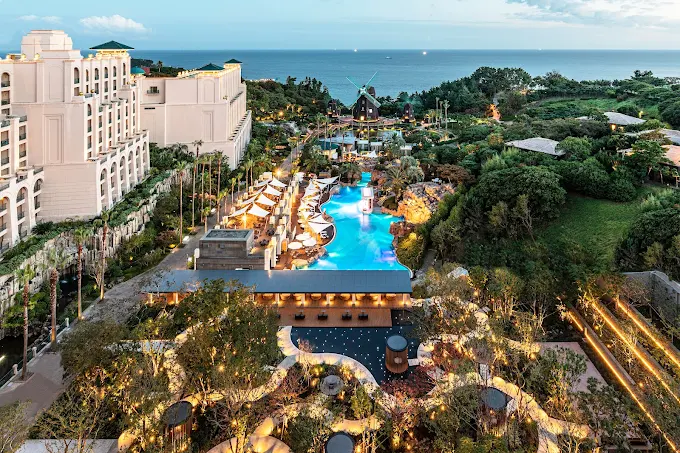
Luxury Safari Travel Tips That Save Money Without Cutting Quality
How much does a luxury safari cost for Germans who plan smart? Less than you’d think, if you know where to be flexible and where not to compromise.
Don’t cut the guide. A skilled private guide is the single highest-value element of your safari. The difference between a good guide and an average one is the difference between watching a cheetah hunt from 30 meters and driving past a sleeping cat you didn’t notice. This is not the place to economize.
Be flexible on lodge brands. Some lesser-known properties offer rooms, food, and service that match the big names at 30–40% lower rates. Your travel planner should know which ones punch above their weight. Ask specifically.
Combine destinations strategically. A safari-plus-beach itinerary in Tanzania (Serengeti + Zanzibar) avoids the cost and time of a second international flight. Compare that with a South Africa safari followed by a Mozambique beach extension, which adds another flight, another visa, and another set of transfers.
Book shoulder season. I said it above, but it’s worth repeating. November and late February are genuinely good wildlife months, and the savings are real.
Handle flights yourself, but get advice. Most bespoke operators (Baloni included) don’t book international flights, but they’ll tell you which routes and airlines work best with your ground itinerary. That guidance alone can save you a connection headache or an unnecessary overnight in a transit city.
For travelers still weighing whether a luxury safari is worth the cost for Germans accustomed to European travel pricing: the per-night rate at a top Serengeti lodge includes three meals, all drinks, two game drives, laundry, and often a bush walk or cultural visit. Compare that with a European five-star hotel where dinner alone might run €150 per person. The value equation is different from what it looks like at first glance.

How Baloni Bespoke Travel Structures Safari Packages for German Tourists
Every itinerary starts with a personal conversation. Not a form. Not an algorithm. A conversation about how many days you have, what you want to see, how much downtime matters to you, and whether you care more about the migration or about predator sightings close to camp.
From there, Baloni builds a route using exclusively private 4×4 safari vehicles and named luxury lodges. The team behind Baloni has personally vetted every property and every ground partner. That’s not a marketing claim. It’s how bespoke travel works when it’s done properly.
Throughout the trip, you have a dedicated travel coordinator available via private WhatsApp. Not a call center. A person who knows your itinerary, your preferences, and your flight details. If a transfer runs late or a lodge needs to adjust your room, it’s handled before you notice.
The pricing includes full travel protection with the Reiseschutzzertifikat required under German law. No hidden fees appearing at checkout. No surprise surcharges for park entries that were “not included in the base rate.”
For couples and small groups exploring small group travel options, Baloni also runs curated group departures with a maximum of 12 guests, private guides, and the same vetted lodges.
Is a luxury safari worth the cost for Germans who value their one big annual trip? If the alternative is spending 40 hours planning it yourself, second-guessing every lodge review, and still wondering whether you booked the right route, then yes. The cost of getting it wrong (or even just getting it “fine”) is higher than most people calculate.
What German Travelers Should Know Before Booking
The average cost of a luxury safari in Tanzania for a ten-day trip with a beach extension falls between €5,500 and €8,500 per person, excluding international flights. South Africa runs slightly lower per night but lacks the migration. Kenya sits in a similar range to Tanzania with different logistics.
Dry season commands the highest rates and the earliest sellouts. Shoulder season (November, late February) offers strong wildlife viewing at meaningfully lower prices. Private vehicles and a skilled guide are the two elements that most directly shape the quality of your experience, and neither should be the first thing you cut.
A well-structured safari quote is transparent, specific, and accounts for every park fee, transfer, and meal. If yours doesn’t, ask why. The right trip, planned with the right partner, is one of the best investments in travel you’ll make.
Tanzania National Parks Authority (TANAPA)
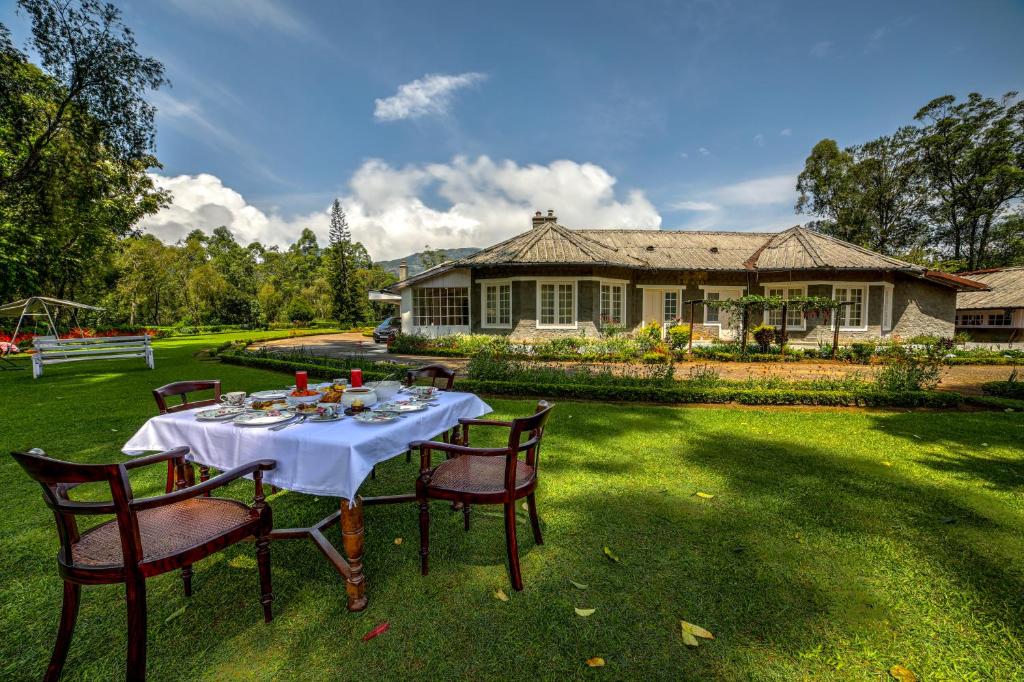
Frequently Asked Questions
How much does a luxury safari cost for Germans?
A luxury safari for German travelers typically costs between €4,500 and €9,000 per person for a ten-day trip in Tanzania, including a beach extension in Zanzibar. This price varies based on lodge quality, the number of parks visited, and the season.
What is the average cost of a luxury safari in Tanzania?
The average cost of a luxury safari in Tanzania ranges from €5,500 to €8,500 per person for a ten-day itinerary with a beach extension. This excludes international flights and depends on specific factors like accommodation tier and timing.
How are luxury safari experiences in South Africa for Germans different?
Luxury safari experiences in South Africa tend to be less expensive per night compared to Tanzania, with prices ranging from €400 to €900 per person at top lodges. However, they do not include the migration spectacle, which is a key attraction in Tanzania.
Is a luxury safari worth the cost for Germans?
For Germans valuing a unique travel experience, a luxury safari is worth the cost due to the inclusive nature of the packages. They cover meals, drinks, game drives, and often cultural visits, offering greater value than comparable European luxury accommodations.
What should German travelers know before booking a safari?
German travelers should be aware that safari costs vary greatly with season and lodge choice. Booking during the shoulder season can significantly reduce costs while still providing excellent wildlife viewing opportunities. Always ensure quotes include all fees and transfers.
 |
Rahul Baloni |
 Powered by TypeHero